
Why Earwigs Are Invading Your Home
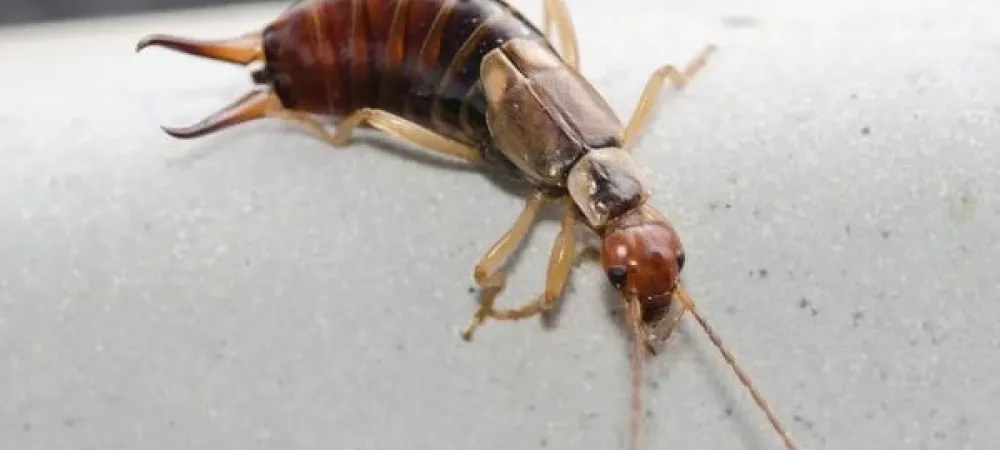
Why Are Earwigs Invading Your Home?
Earwigs invade homes because they're searching for three things: moisture, shelter, and food. They don't damage your home's structure like termites do, but once they find a way in — through a tiny crack, a gap under a door, or a damp corner of a bathroom — they multiply fast. If you've spotted one earwig indoors, there's almost always more nearby.
This guide covers why earwigs come inside, where they typically hide, whether they're dangerous, and what actually gets rid of them.
What Attracts Earwigs Into a Home
Earwigs are drawn indoors by three specific conditions, and understanding which one applies to your home is the first step to solving the problem.
| Attractant | Why It Draws Earwigs Indoors | What To Check |
|---|---|---|
| Moisture | Earwigs thrive in damp soil and rotting leaves outdoors, so they gravitate toward the same conditions inside — under sinks, in bathrooms, in basements, and in crawl spaces. | A recurring sighting in the same spot, like under a bathroom sink, is often the first sign of a slow leak or condensation problem. |
| Food | Earwigs aren't picky eaters. Outdoors they'll feed on rotting vegetation, live plants, and fallen fruit. Indoors, they scavenge crumbs, spilled food, and anything left out on countertops or in cupboards. | Pet food bowls left out overnight and trash cans without tight-fitting lids are two of the most common indoor food sources technicians find during inspections. |
| Shelter From Weather | Extreme heat or cold pushes earwigs to seek stable indoor temperatures. Because they can squeeze through gaps as small as a credit card's edge, even a well-maintained home can develop an entry point. | Utility line penetrations (cable, plumbing, HVAC) and where siding meets the foundation are the most commonly overlooked entry points during a routine walk-around. |
Do Earwigs Cause Damage to Your Home?
No. Earwigs do not chew through wood, wiring, or a home's foundation the way termites or carpenter ants do. Their presence is a nuisance and a sign of an underlying moisture or entry-point issue, not a structural threat.
Where Earwigs Hide Inside Your Home
Earwigs are nocturnal and spend daylight hours hidden, which is why most sightings happen after something disturbs their hiding spot — cleaning, moving furniture, or opening a rarely used cabinet. Each hiding spot below shares the same underlying draw: consistent moisture paired with easy access to food or shelter.
- Under kitchen and bathroom sinks — Pipes sweat and leak in these spaces, creating the damp, dark conditions earwigs prefer. Check under the cabinet for standing water or soft, discolored wood, both signs of the moisture that's likely drawing them in.
- Basements and crawl spaces — These areas stay cooler and more humid than the rest of the house year-round, and they're rarely disturbed, which makes them a stable long-term hiding spot rather than just a passing stop.
- Near doorways and window sills — This is less a hiding spot than an entry point. Gaps around door sweeps and window frames let earwigs move freely between the yard and the house, so sightings here often mean there's an active point of entry nearby.
- Inside damp cupboards or pantries — Any cupboard near a water source, or one that runs warm and humid, gives earwigs both shelter and proximity to spilled food or crumbs, the two things they're drawn to most indoors.
How to Get Rid of Earwigs
Small earwig problems can often be managed with a few consistent habits. Larger infestations typically require a licensed pest control provider to treat the yard and home directly.
Vacuum Regularly
Daily vacuuming removes both wandering earwigs and the food debris that attracts them. Empty the canister or bag right after, since earwigs can survive inside a vacuum and find their way back out if it sits.
Reduce Moisture
Run a dehumidifier or fan in damp areas like bathrooms and under sinks. Earwigs move on when a space stops being reliably moist. A humidity reading above 50% in a basement or crawl space is usually enough to sustain a population, so a simple hygrometer can help confirm whether moisture is really the driver.
Seal Entry Points
Caulk window sills and place door sweeps or a cloth barrier under exterior doors to close off the small gaps earwigs use to get inside. Pay extra attention to any gap wider than 1/16 inch, roughly the thickness of a credit card, since that's all an earwig needs to fit through.
For a full-scale infestation, professional treatment targets both the yard and the home's perimeter, which knocks down the population at its source rather than just addressing the earwigs you can see indoors.
Frequently Asked Questions
Do earwigs bite people?
Earwigs have pincers (cerci) at the rear of their body, but they rarely pinch humans, and when they do, it's not painful or medically significant.
Are earwigs dangerous to have in the house?
Earwigs are not dangerous. They don't carry disease, damage structures, or pose a health risk — they're a nuisance pest, not a safety concern.
Do earwigs fly?
Most earwig species have wings but rarely use them, and indoor earwigs are almost always moving on foot rather than flying.
Why do I keep finding earwigs even after cleaning?
Persistent sightings usually mean there's an ongoing moisture source or an unsealed entry point rather than a one-time issue — both need to be addressed for the problem to fully resolve.
Still Finding Earwigs?
Beebe's Pest & Termite Control has been family owned and operated since 1979, with over 125 years of combined experience on the team.
Contact Us Today